
Your Communication Arena:
Every one of us has a preferred way of speaking. Some people get straight to the point. Some are warm and chatty. Some are calm and patient. Some are careful and exact. This assessment helps you see your way, and then shows you how to adjust it for other people. Bear in mind the important GladiatorTraining maxim: "I cannot open your lock using my own key." You need your language to resonate with them!
It follows the DISC Model. Simply put, DISC categorises communication styles into its four main Types, namely: D (Dominance), I (Influence), S (Steadiness) and C (Conscientiousness, which simply means "careful and exact"). Since people are generally a 'blend' of two main types, this assessment looks for your 'primary' and your 'secondary' leanings.
Answer for one role at a time. The way you speak changes with your "persona" (the role you are playing, e.g. your work role), as shown in your "ME-map", below. Choose a role, then answer instinctively as you would in that role. Do not overthink it.
There is no better or worse style. The aim is to help you adapt, because people listen better when a message arrives in a style that suits them. Remember also that different cultures also favour different manners of communication, so instead of starting from any conclusion, observe and then calibrate.
First: Read about the persona concept
and the The DISC Model theory.
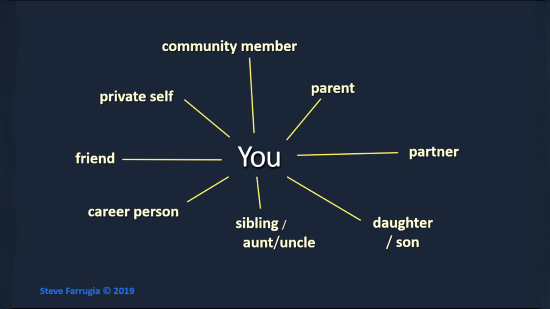
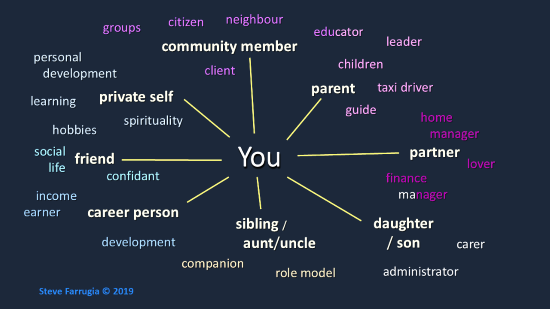
What does your "ME-map" look like?
Which of your personas will you assess?
Each bar shows the share of your answers that leaned towards that style. The higher the bar, the more you naturally reach for it when you speak.
Who you are as a communicator
What Your Styles Prefer
These are the habits and needs that sit behind your main and second styles. Knowing them helps you understand why you react the way you do, and why other people sometimes react differently.
Quick Reference: How To Speak To Each Style
Keep this handy. Before an important conversation, decide which style the other person leans towards, then adjust your message to suit them. Your own styles are highlighted.
Master Your Performance as a Leader
Do you want to understand communication styles better for use with your team and in life? Then consider our Gladiator Training programmes to turn these insights into impactful Leadership practices.
Visit GladiatorTraining.biz →© Steve Farrugia 2026 | GladiatorTraining.biz